
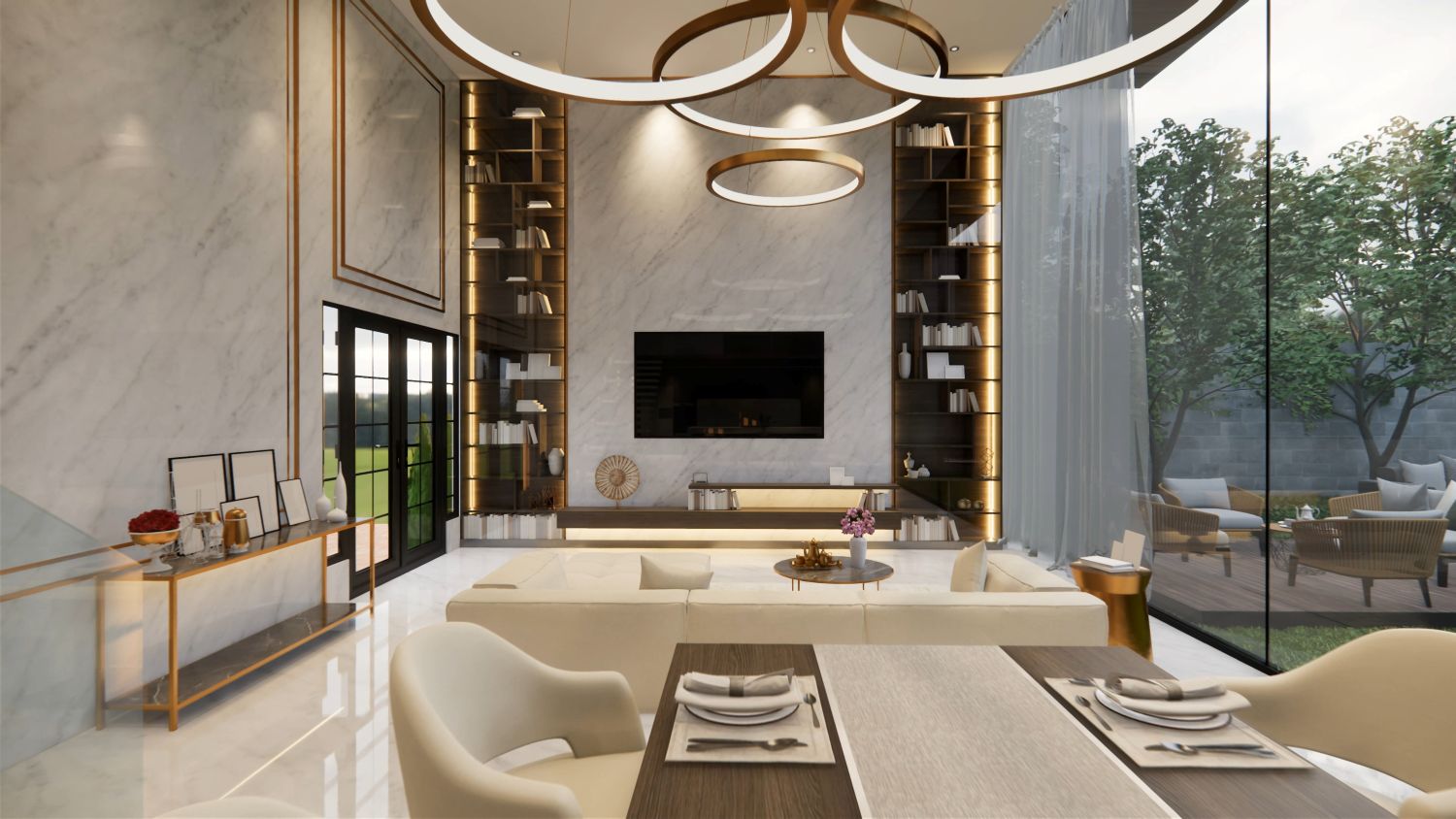
Innovative Interior Design Strategies to Boost Hua Hin’s Hospitality Industry Performance
The intersection of architecture and interior design Hua Hin plays a crucial role in shaping the hospitality sector’s success in this vibrant coastal city. As Hua Hin continues to attract both domestic and international travelers, hospitality businesses face increasing pressure to provide environments that not only reflect local culture but also meet modern comfort and sustainability demands. Strategic interior design approaches contribute significantly to elevating guest experiences and operational efficiency, ultimately enhancing the overall performance of hotels and resorts in Hua Hin.
Understanding the Influence of Architecture and Interior Design in Hua Hin’s Hospitality Landscape
Architecture and interior design Hua Hin are foundational elements that influence how hospitality venues appeal to their guests. Well-crafted design harmonizes with Hua Hin’s unique coastal and cultural context, reinforcing a sense of place while ensuring functionality and comfort. The strategic integration of design principles supports the creation of welcoming atmospheres that can differentiate hospitality businesses in a competitive market.
Key considerations include spatial planning, material selection, lighting, and the incorporation of local artistic elements. The application of these factors is essential for creating cohesive environments that enhance both aesthetic appeal and user experience.
Spatial Planning and Guest Flow Optimization
Effective spatial planning is vital for maximizing operational efficiency and guest satisfaction. In Hua Hin’s climate, open and airy spaces that encourage natural ventilation and seamless movement between indoor and outdoor areas can significantly improve comfort levels. The architecture and interior design Hua Hin must therefore prioritize:
- Functional zoning: Separating public, private, and service areas to minimize disruption and enhance privacy.
- Accessibility: Designing intuitive circulation paths that accommodate diverse guest needs, including universal design principles.
- Flexible spaces: Enabling multipurpose areas that can adapt to varying guest activities or events.
These spatial strategies not only improve user experience but also boost operational productivity by streamlining staff workflows.
Material Selection and Sustainability in Interior Design
Material choices in architecture and interior design Hua Hin are pivotal, especially as sustainability becomes a core value within the hospitality sector. Selecting materials demands a balance between durability, aesthetic quality, and environmental impact. Locally sourced natural materials such as teak wood, bamboo, and rattan are favored for their cultural resonance and renewable properties.
In addition, finishes and textiles that withstand Hua Hin’s humid climate without compromising indoor air quality contribute to guest wellbeing. Designers integrate innovative, eco-friendly technologies and finishes that reduce energy consumption and maintenance costs, aligning with global sustainable hospitality trends.
- Durability and maintenance: Choosing materials resistant to wear and moisture to ensure longevity.
- Environmental impact: Prioritizing renewable, recyclable, or biodegradable materials.
- Local craftsmanship: Incorporating traditional techniques to support community engagement and authenticity.
The Role of Lighting and Ambience in Enhancing Guest Experience
Lighting design remains a cornerstone in architecture and interior design Hua Hin for hospitality venues. It influences mood, highlights key architectural features, and supports functional needs. Layered lighting that combines ambient, task, and accent components allows for a dynamic manipulation of spaces throughout the day and evening.
Utilizing natural light through large openings or skylights enhances energy efficiency and creates uplifting environments. Complementary artificial lighting with adjustable intensity and color temperature refines the guest experience, fostering relaxation or social interaction as required.
- Natural light maximization: Employing architectural elements like louvers, light shelves, and glass façades.
- Smart lighting technologies: Integrating energy-efficient LEDs with automated controls for adaptability.
- Accent lighting: Directing focus on artwork or design features to evoke emotional responses.
Integrating Hua Hin’s Cultural Identity into Design Elements
Successful architecture and interior design Hua Hin often reflect the region’s rich cultural heritage. Incorporating traditional motifs, patterns, and local artisan works fosters authenticity and a deeper connection with guests. These elements contribute to storytelling aspects that enrich the guest experience beyond mere physical comfort.
Strategies include the thoughtful use of color palettes inspired by natural surroundings, custom-made furnishings echoing Hua Hin’s artisanal traditions, and spatial arrangements influenced by local customs. This cultural integration elevates the hospitality offering, positioning venues as immersive destinations.
Design Features Promoting Wellbeing and Comfort
In contemporary hospitality, prioritizing guest wellbeing is essential. Architecture and interior design Hua Hin embrace biophilic design principles by introducing natural elements, greenery, and ventilation enhancements. These contribute to mental and physical health benefits, aligning with wellness tourism trends.
- Indoor plants and green walls: Improving air quality and aesthetics.
- Natural ventilation: Designing openings to maximize airflow and thermal comfort.
- Ergonomic furniture: Supporting guest relaxation and usability.
Technology Integration to Enhance Operational Efficiency
Modern hospitality venues in Hua Hin leverage technology embedded seamlessly within architecture and interior design Hua Hin to optimize both guest services and back-of-house operations. Smart systems for lighting, climate control, and security contribute to energy savings and improved guest satisfaction by providing personalized environments.
Additionally, technological infrastructure supports data-driven insights for maintenance and space usage, enabling continuous improvement of the hospitality experience. The choice of design materials and layouts must accommodate such technological amenities without disrupting aesthetic cohesion.
Summary Perspectives on Strategic Interior Design in Hua Hin’s Hospitality Sector
The convergence of architecture and interior design Hua Hin offers a multifaceted approach to elevating the hospitality industry’s performance. From spatial planning and sustainable material choices to lighting design and cultural integration, each element contributes to a cohesive guest experience and operational excellence. The application of these strategies reflects an understanding of local context combined with global hospitality standards, fostering spaces that are both innovative and welcoming.
Advancements in design continue to align with emerging trends such as wellness, sustainability, and technological integration, reinforcing Hua Hin’s standing as a competitive destination. Emphasizing these design principles equips hospitality providers with powerful tools to attract discerning travelers and sustain growth in a dynamic market.
For those interested in further exploring how architecture and interior design Hua Hin can drive success, detailed insights are available through specialized resources on the subject.
In the broader perspective, strategic design serves as a critical investment that nurtures guest loyalty, operational agility, and cultural resonance, making Hua Hin’s hospitality sector uniquely positioned for long-term vitality.
To deepen understanding of effective design practices in this region, consider the comprehensive knowledge offered by experts directly engaged with architecture and interior design Hua Hin.
architecture and interior design hua hin remain pivotal drivers for the ongoing enhancement of hospitality environments in this distinguished destination.